


how to customize a daily planner?
In the digital age, physical products such as customized calendars continue to play an important role in corporate brand communication and marketing strategies. Custom calendars, through their unique design and utility, enhance corporate image, promote customer loyalty, and create a lasting impact in the target market as a marketing tool.
1. Determine the demand
The first step in customizing your calendar is to identify your target audience, usage scenarios, and desired marketing effects. For example, a calendar may be designed to enhance team cohesion for employees, or as part of customer relationship maintenance. Choosing the right size, number of pages and type of paper will directly affect the user experience and the end result of the product.
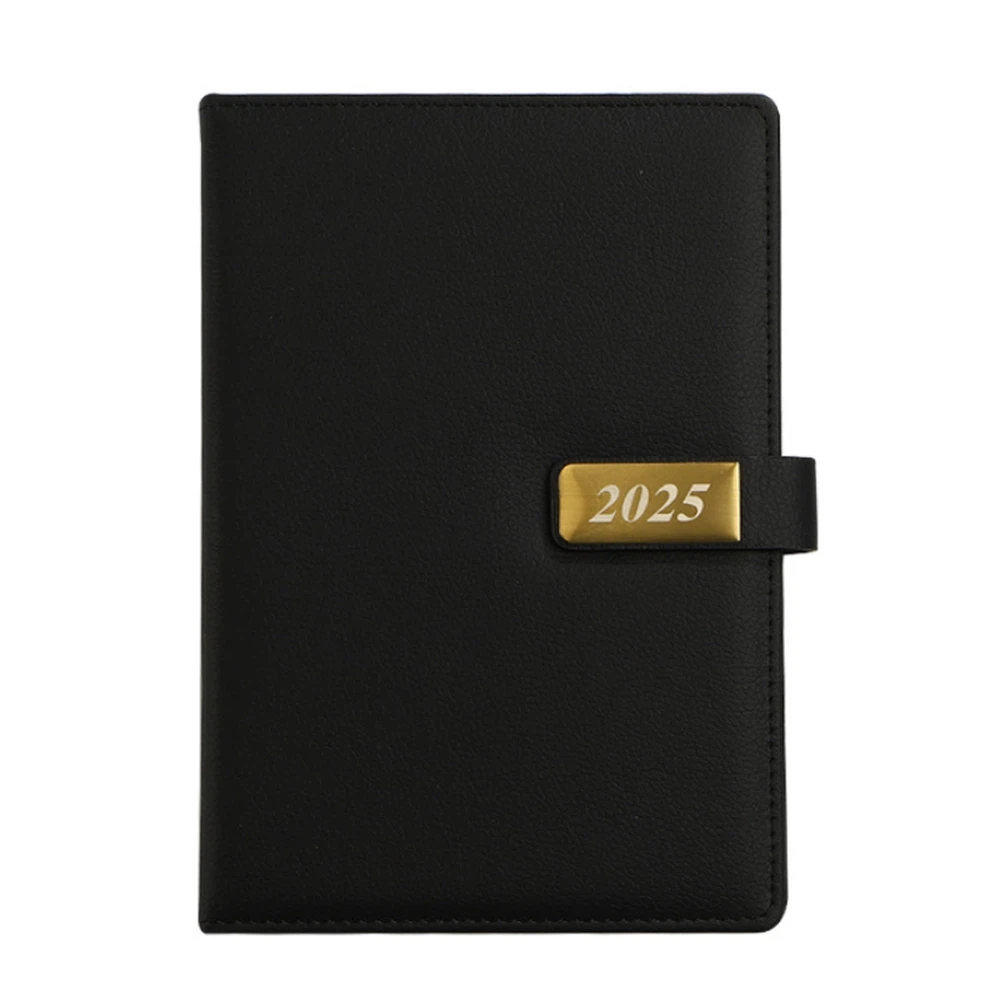

2. Design element
The choice of design elements, including the company logo, color scheme, fonts and graphics, should be consistent with the company's brand guidelines. At the same time, the design should be functional and aesthetic, ensuring that the calendar is both practical and attractive.
3. Communicate with the factory
Accurately communicating design requirements is key to ensuring the quality of the final product. This includes providing detailed specifications, drawings, quantities, and numbers of inside pages. Effective communication prevents misunderstandings and ensures that every step of the production process is as expected.
4. Logo customization
The company logo is an important element of brand identity. Choosing the right logo customization technology, such as gold stamping, screen printing or stamping, can enhance the high-end feel and uniqueness of the calendar. The location, size, and color choice of the logo should be carefully considered to ensure that it is aesthetically pleasing and consistent with the brand image on the calendar.
5. Provide print copy
Providing high quality design documents to the factory is a prerequisite for ensuring the quality of printing. The design document should be in a high-resolution vector format to ensure clarity and scalability at different sizes. At the same time, the design document should use the CMYK color mode to adapt to the color conversion during the printing process. If you do not have a manuscript, you can also consult the factory and use the factory's printing drawings to achieve marketing purposes.
6. Binding and packing
The choice of binding method, such as thread, glue or spiral, will affect the durability and beauty of the calendar. Packaging design should not only consider the protection of the product, but also consider the unpacking experience to enhance the market appeal of the product.
7. Quality control
Quality control is the key to ensuring that the calendar meets high standards. This includes raw material inspection and finished product inspection. Through a strict quality control process, the consistency and reliability of each calendar can be ensured.
8. Delivery and logistics
Developing a reasonable delivery plan and selecting the right logistics services are essential to ensure the safe and on-time delivery of products. The control of logistics costs and the optimization of logistics processes are also important considerations for improving efficiency and reducing costs.
A custom calendar is a complex project involving multiple stages, and every step from design to delivery is critical. Through careful planning and professional execution, customized calendar can become a powerful tool for corporate brand communication and marketing, and enhance the market competitiveness of enterprises and customer satisfaction. As the market evolves and consumer needs change, customized calendar books will continue to play an important role in corporate marketing strategies.
Your one-stop customized supplier

15
years
We have been working in the leather industry and office supplies since 2009.
Sample
support
We support sample service before mass production.
Global
transport
We arrange transport services for our customers in various countries around the world.